“The 30-Second Ceylon Cinnamon Ritual Sri Lankan Families Have Used for Centuries”
A USDA researcher’s strange apple pie test, a 3,000-year-old spice, and why the cinnamon in your kitchen is probably not the one the studies looked at. What it means for anyone over 50 who wants to keep healthy blood sugar levels.
By Wade Brennan | Sun. Jul. 5th, 2026
This is the 30-Second Cinnamon Ritual.
A simple cinnamon ritual that has been practiced for thousands of years by the people of Sri Lanka — the birthplace of Ceylon cinnamon.
For generations, Sri Lankan families passed down this morning tradition using the inner bark of Cinnamomum verum — a cinnamon so rare that its scientific name literally means “true cinnamon.”
But this wasn’t the same cinnamon sitting in most kitchen cabinets today.
It wasn’t the cheap cinnamon commonly sold around the world.
It was the original Ceylon cinnamon — harvested from a small region of Sri Lanka and treasured for centuries.
And researchers began noticing something fascinating...
Despite huge changes in diet around the world, Ceylon cinnamon never left the Sri Lankan table: in tea, in curries, in sweets, every single day.
Eventually, scientists got curious.
What exactly does this spice do inside the body?
Let me explain.
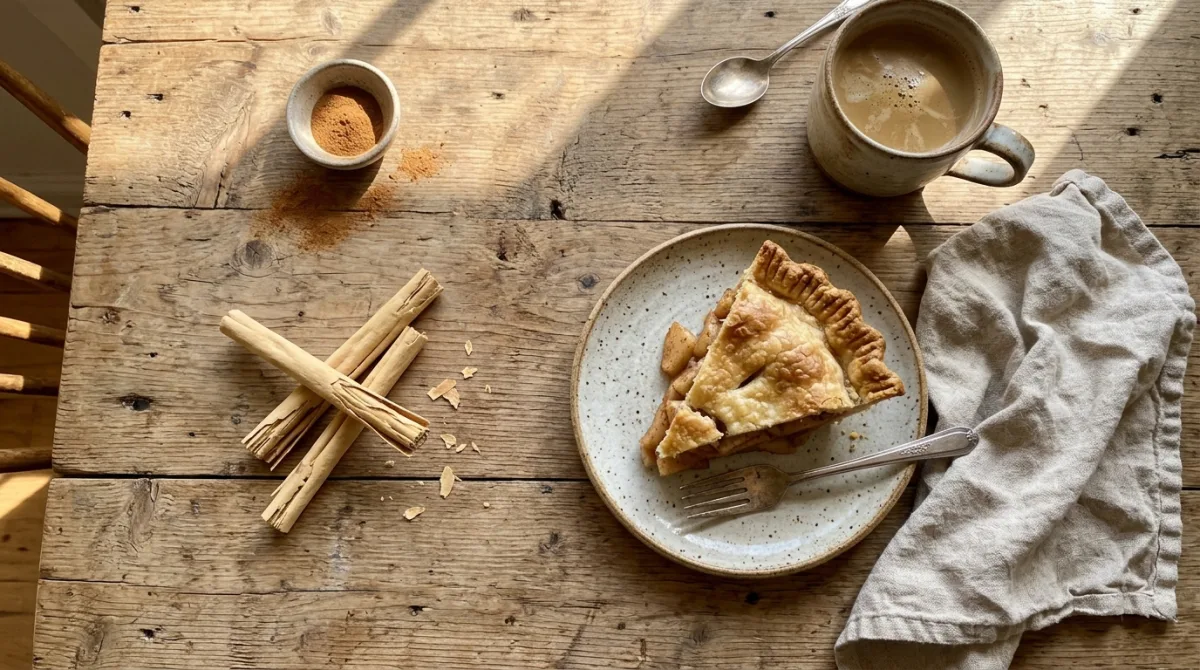
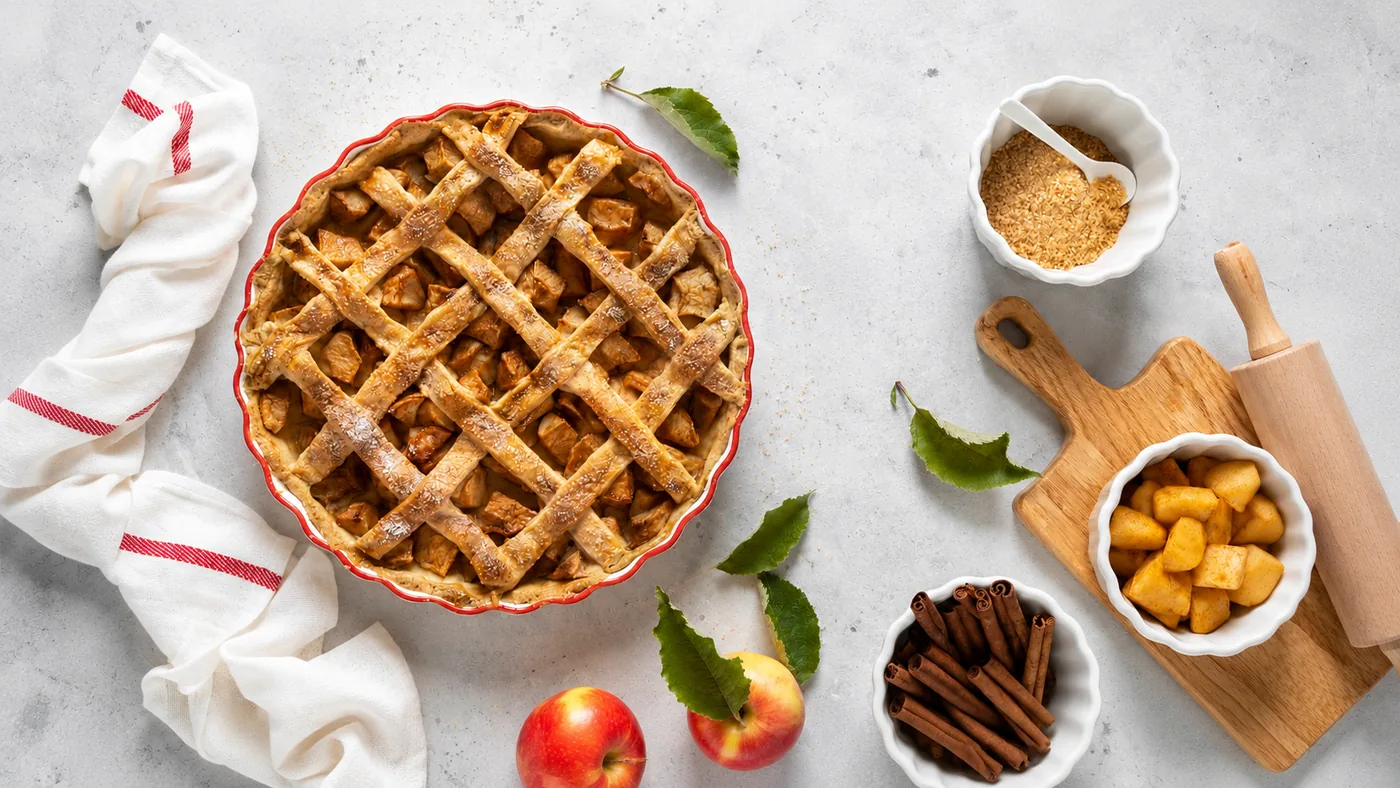
It All Started With an Apple Pie…
Dr. Richard Anderson was a lead researcher at the United States Department of Agriculture, at the Beltsville research center in Maryland.
His job was to test various common foods and measure what each one did to blood sugar.
One of them was apple pie.
Now think about this with me…
Apple pie is sugar, white flour, and fat.
Anderson expected it to worsen glucose markers, obviously.
But when the results came back…
It was the opposite.
In the lab tests, the apple pie sample boosted insulin activity more than any other food in the entire series.
So he was confused and repeated the test.
Same result.
And this is where it gets interesting.
When Anderson Analyzed the Pie Ingredient by Ingredient, He Finally Found the Secret…
So he began separating the ingredients one by one.
Flour. Sugar. Butter. Apple.
The first obvious hypothesis was the apple.
It would make sense.
So they tested the apple by itself.
But it wasn’t the apple.
“Then it must be something in the crust,” they thought.
It wasn’t the crust either.
And here’s the part that made the LEAST sense:
The pie had more added sugar than practically any other food they tested…
And yet it produced the best insulin response.
A food with more sugar. With a better glycemic response.
They tested the fat. That wasn’t it.
They tested the egg. That wasn’t it.
One by one, the ingredients were eliminated.
Until exactly one remained.
The only one nobody would suspect, because it was there just for the aroma, simply as a finishing touch.
That little spoonful we sprinkle on top of the pie and don’t even count as an ingredient:
Cinnamon
What Was Inside the Cinnamon Changed Everything…
So Anderson and his team went back to the lab and isolated the compound in cinnamon that was doing it.
Its name is MHCP(methylhydroxychalcone polymer).
You don’t need to memorize that name, but what this compound does is the reason you’re reading this today.
Here’s what almost nobody explains properly:
As we get older, many of our cells become a little less responsive to insulin.
Age, weight, stress and sleep all play a part.
This has to do with something called: Insulin Sensitivity
And it’s one reason blood sugar can creep up over the years, even when you eat “carefully.”
Here’s how it works:
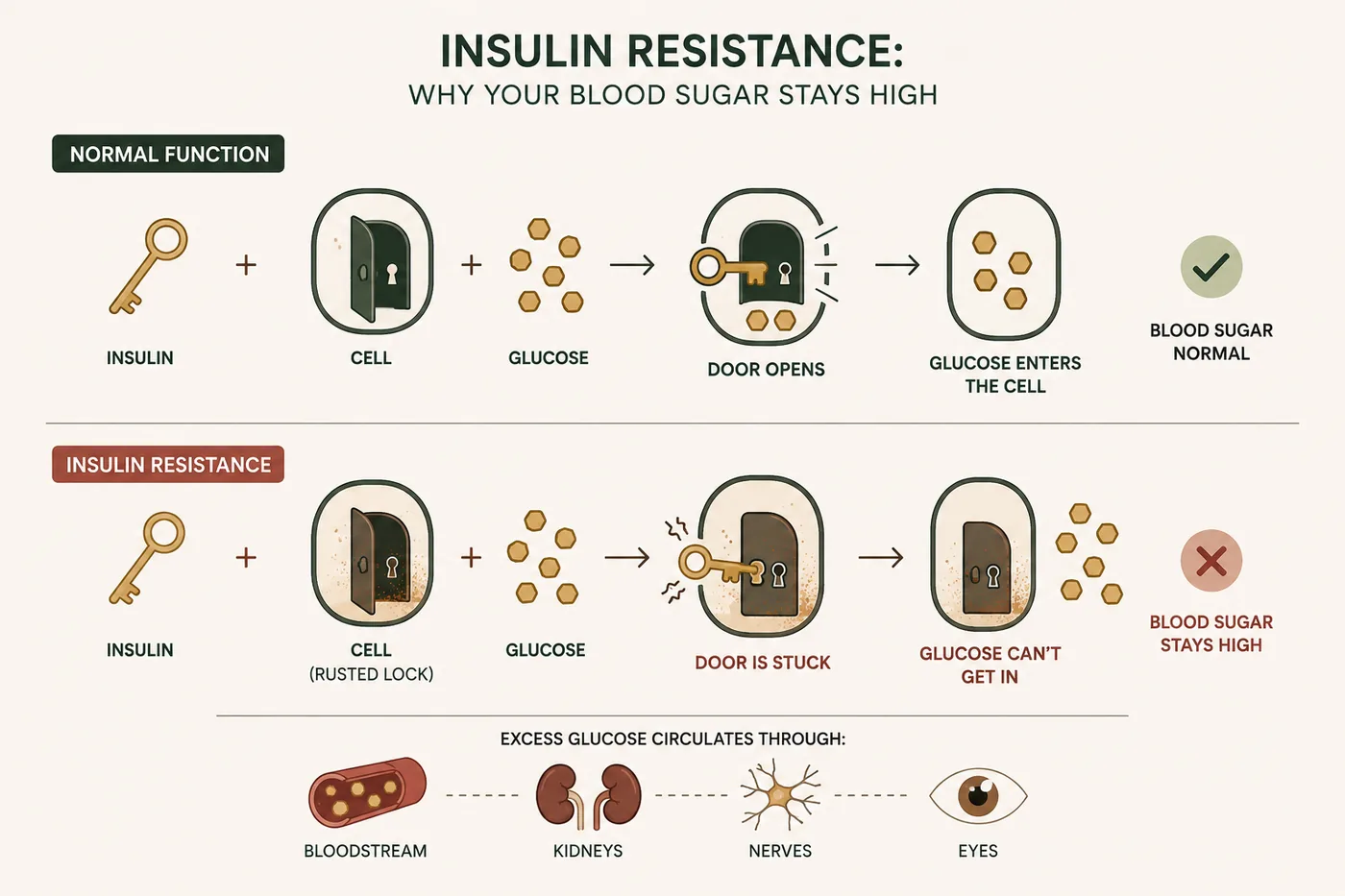
Insulin is the key.
The cell is the door.
Glucose is what needs to get inside.
When sensitivity drops, the key still turns, but the lock gets stiff.
The door opens more slowly and less glucose gets into the cell.
So more of it stays in your bloodstream instead of being used for energy…
Because it isn’t entering your cells as efficiently as it should.
That’s why simply thinking:
“My blood sugar is high because I’m eating too much sugar”
Is only part of the story.
Of course diet matters. But it isn’t the only point.
There’s another question:
Are your cells still responding properly to insulin?
Because if the answer is “no”…
You can spend all day trying to control what goes into your mouth…
While ignoring what’s happening inside your cells.
Now understand what Anderson discovered:
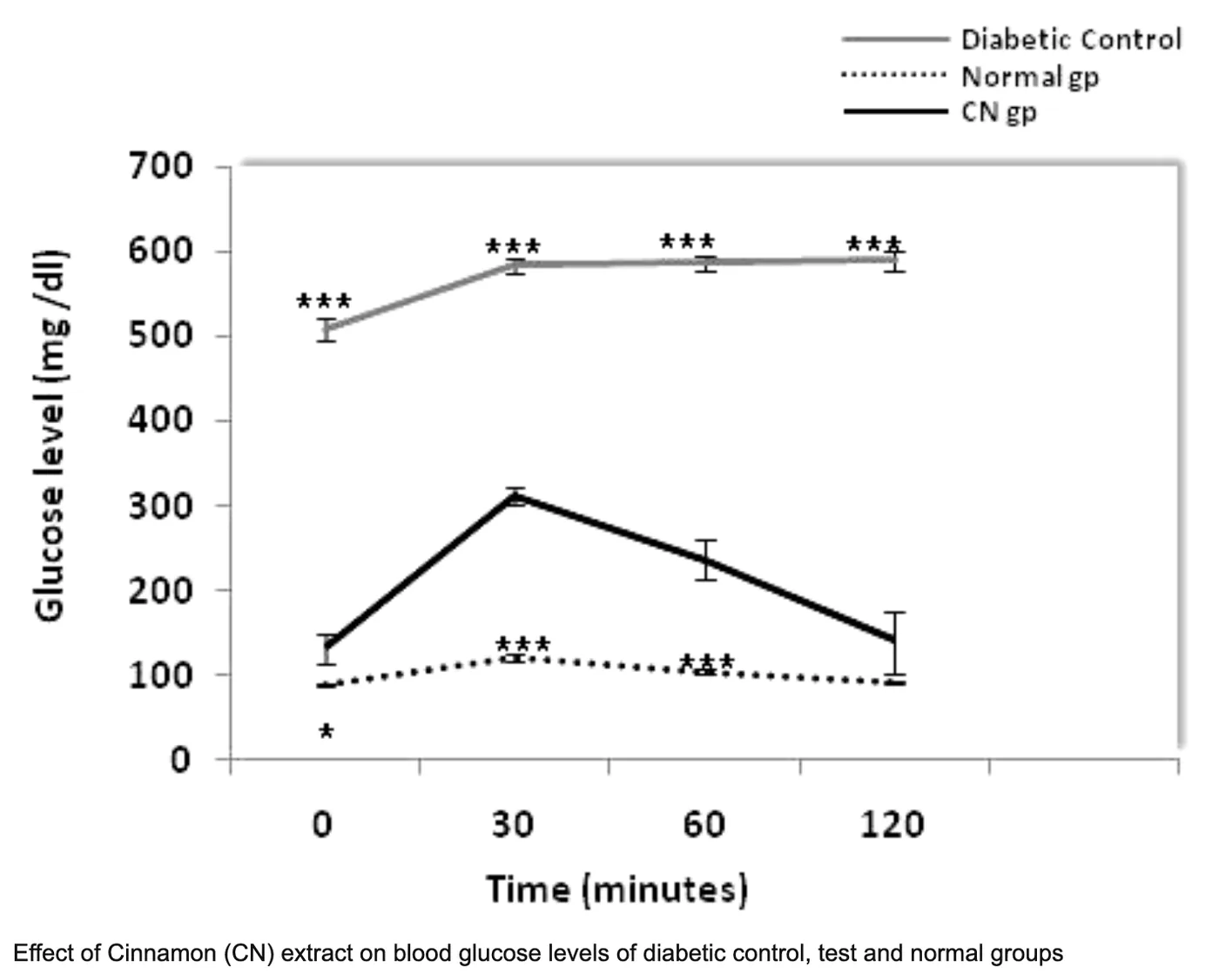
In lab studies, MHCP appeared to mimic some of insulin’s activity on cells.
In other words, it seemed to help the “lock” respond to the key. Later studies in people have looked at cinnamon for supporting healthy glucose metabolism, with promising results.
It became one of the most cited findings in cinnamon research.
You’ve Been Misled About Cinnamon This Entire Time…
And maybe some people are thinking: “Okay, I’ve already used cinnamon, and I didn’t notice anything.”
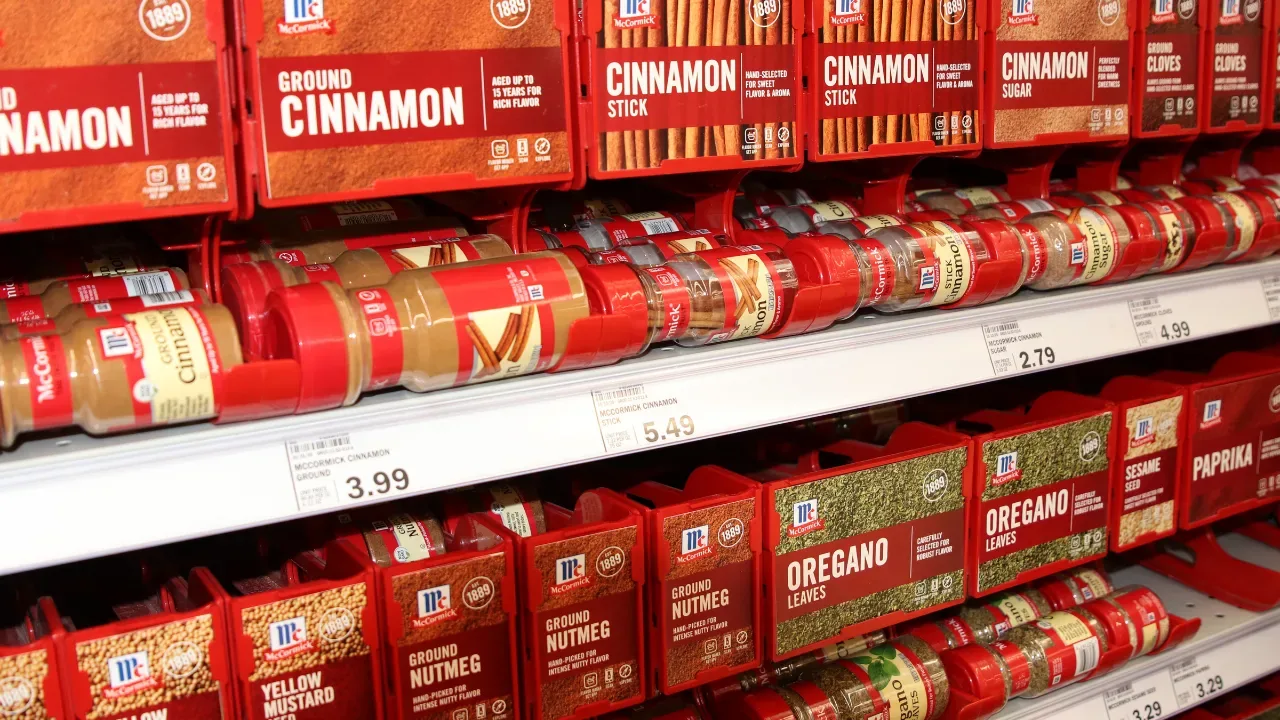
For starters, cinnamon can be found in many cabinets across the country.
It’s in cakes, coffee, cereal, desserts…
You probably have a little jar at home, right?
However, most of the cinnamon sold in the United States is not the same kind Dr. Anderson studied.
And I’m going to give you the answer the supplement industry doesn’t like to give.
If you’ve ever bought a bottle of cinnamon capsules at the drugstore…
If you’ve ever put cinnamon powder in your coffee every day for three months hoping to feel a difference…
And nothing happened…
You didn’t fail.
You took the wrong plant.
Most “Cinnamon” on the Shelf Isn’t Ceylon…
If you’ve tried cinnamon before and didn’t notice anything, there’s a good chance you took Cassia.
It’s a cheaper bark from China.
Ceylon, which is Cinnamomum verum. The scientific name that literally means “true cinnamon” — only grows in a narrow strip of land in southwestern Sri Lanka.
There, it is harvested by hand.
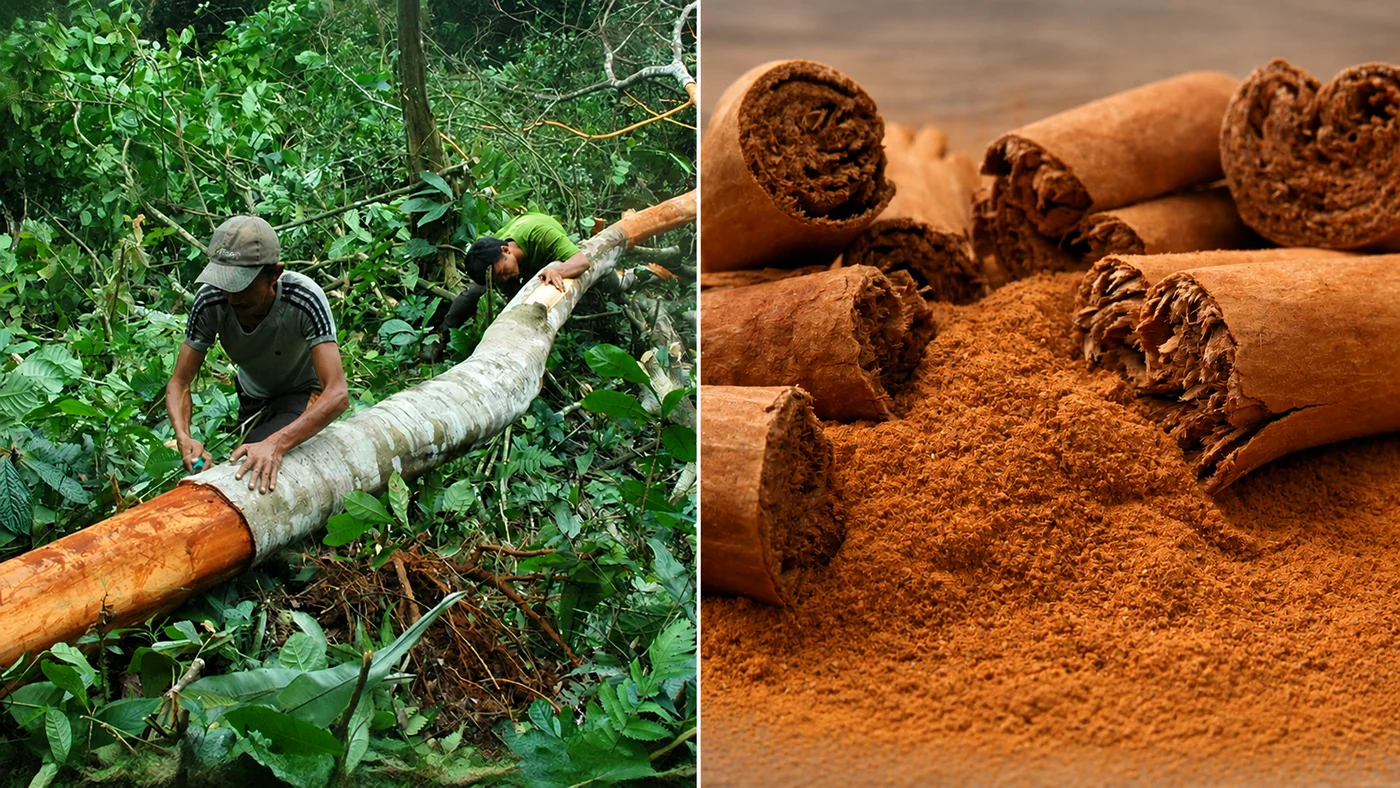
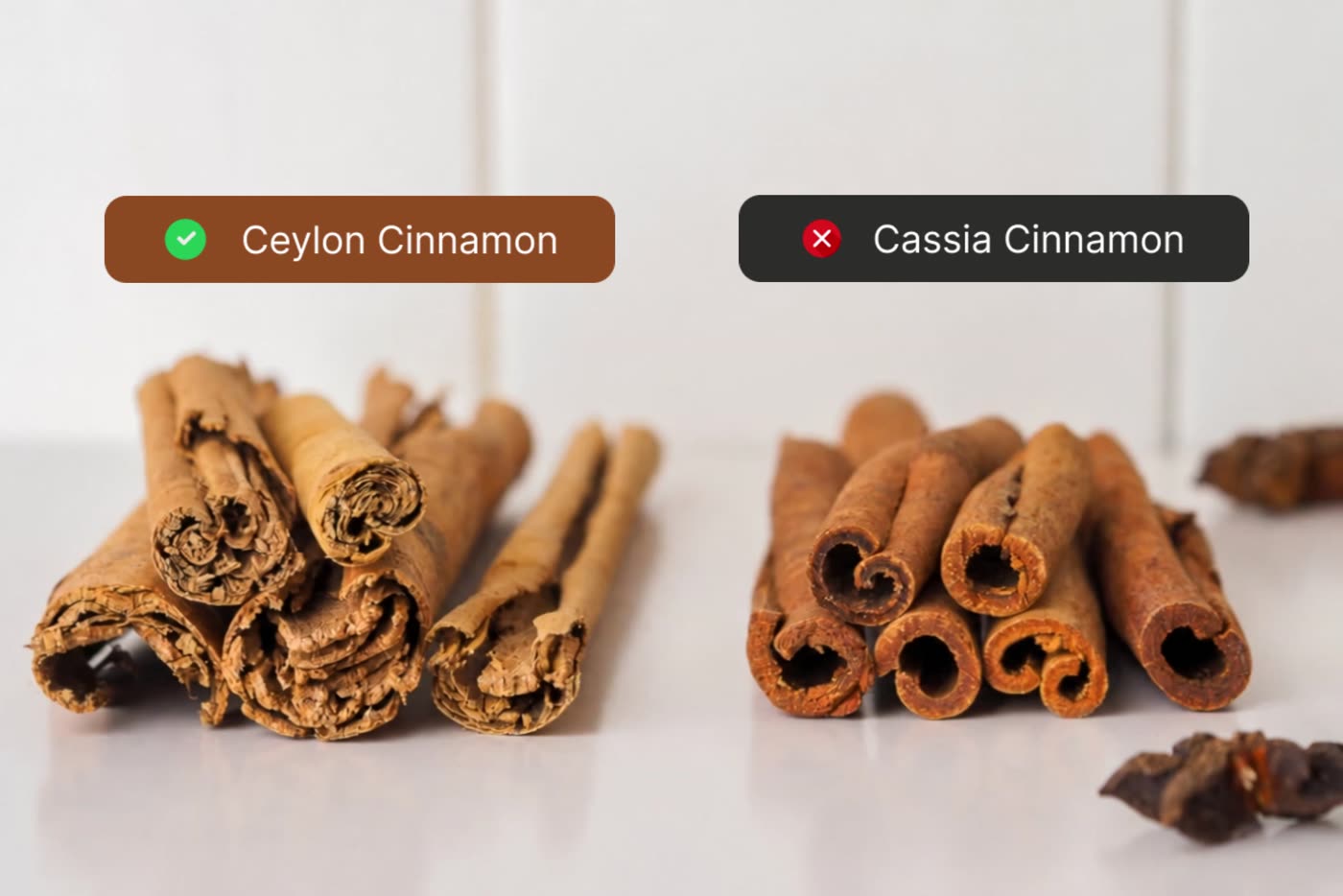
Ceylon bark is harvested by hand from the thin inner layer of the trunk and rolled into extremely fine layers — you can count ten or more paper-thin sheets inside a single Ceylon stick.
Cassia, on the other hand, is a single thick bark that curls in on itself. Industrial harvesting, at scale, cheap.
That’s why Ceylon costs much more.
And that’s exactly why the supplement industry uses Cassia.
And most brands sell it as if it were cinnamon.
Legally, they can.
Because the word “cinnamon” on the label does not require anyone to tell you which species is inside.
Cassia and Ceylon are different plants.
Similar genera, distinct species, compositions that have nothing to do with each other.
It’s the difference between a horse and a zebra.
A Swap That Happened Centuries Ago
This wasn’t a recent accident.
It was a commercial decision made centuries ago.
Ceylon cinnamon was once one of the most expensive spices in the world.
The Portuguese, Dutch, and British fought wars to control its trade.
It was difficult to grow. Difficult to harvest. Difficult to transport.
So the market found a solution.
They found a similar bark, thicker, tougher, much cheaper — Cassia, from China and Indonesia.
Ceylon (real) vs. Cassia (the cheap bark sold as “cinnamon”).
It had a similar smell.
A stronger, harsher flavor, but close enough.
And it cost a fraction of the price.
So it was given the same name.
And sold on the same shelf.
Today, the overwhelming majority of “cinnamon” sold around the world is Cassia.
The product that became famous for the benefits of Ceylon…
Is sold as if it were the same thing.
While real Ceylon continues leaving Sri Lanka in limited quantities, for those who actually know what they’re looking for.
And Cassia Isn’t Just Ineffective. It Carries a Risk.
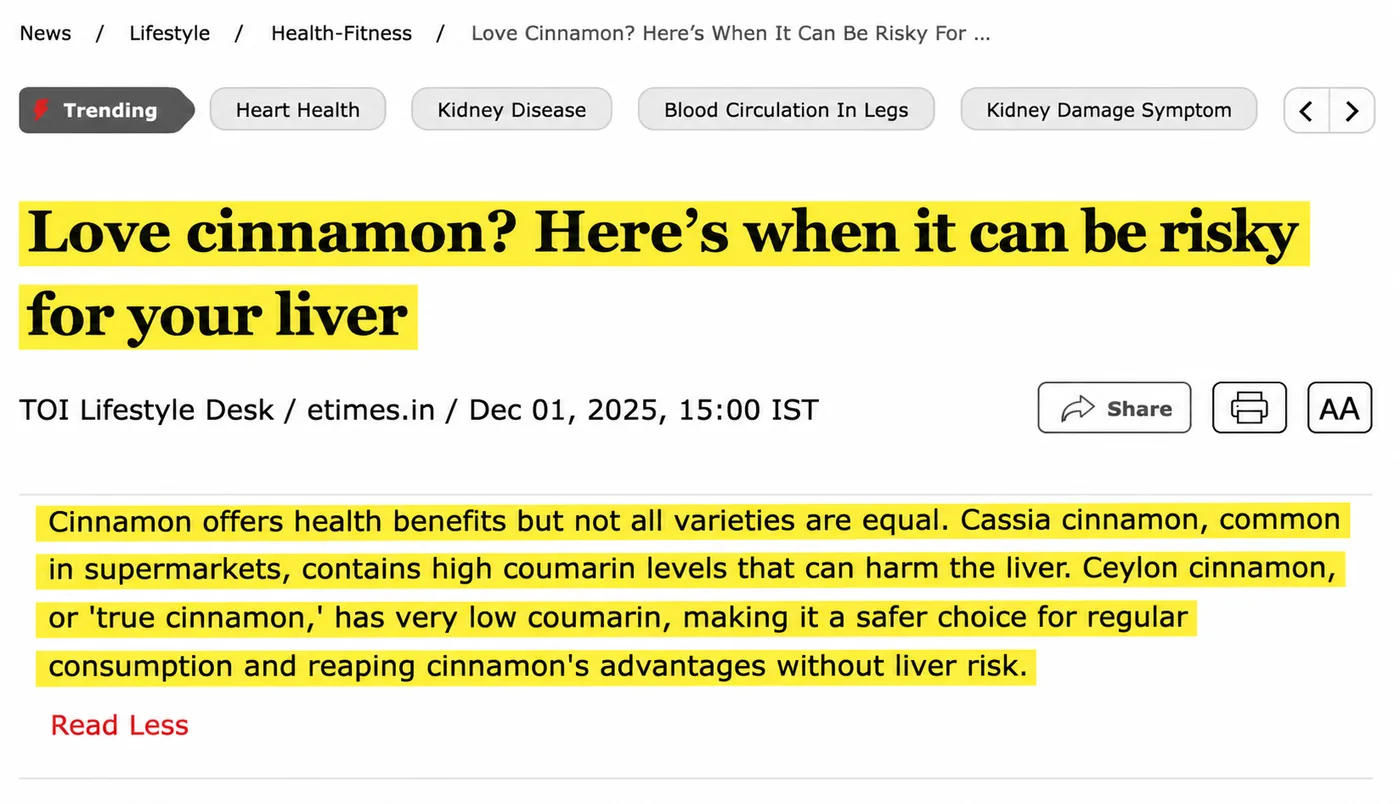
Cassia contains a substance called coumarin.
Germany’s Federal Institute for Risk Assessment (BfR) measured the levels.
Cassia cinnamon contains, on average, around 3,000 mg of coumarin per kilogram.
And why does that matter?
Because coumarin, when used daily and continuously, is associated with liver stress and liver damage.
The European Food Safety Authority (EFSA) set a tolerable daily intake of 0.1 mg of coumarin per kilogram of body weight.
For a 132-pound adult, that’s 6 mg per day. For a lifetime.
One teaspoon of Cassia alone can exceed that.
And that’s why Germany’s risk assessment institute advises people who use a lot of cinnamon regularly to choose Ceylon.
Now stop and think about what that means for you:
If you take cinnamon every day for your health, and it’s Cassia, year after year…
You could be getting a lot more coumarin than you think.
You did everything thinking you were taking care of your health.
And you bought the wrong bottle.
And There’s a Second Problem, Which Is Dosage
Let’s say you managed to get real Ceylon.
Powdered. In the cabinet. A spoonful in your coffee.
Even then, it would hardly solve the problem.
Because the concentrations of active compounds studied don’t appear in a pinch of seasoning.
The natives of Sri Lanka don’t use just a pinch, they consume this cinnamon from childhood. It is present in all of their meals throughout the day, for years and decades.
It’s a daily habit, not an occasional pinch.
So, to get Ceylon in a meaningful daily amount, you would need:
1. The right species — DNA-verified Ceylon. In its purest possible form.
2. An extremely potent concentration — equivalent to thousands of milligrams of raw bark. Something no current supplement or store-bought jar delivers.
Having one without the other doesn’t work.
And that’s where practically every product on the market fails on at least one of those two fronts.
That’s why we decided to solve both.
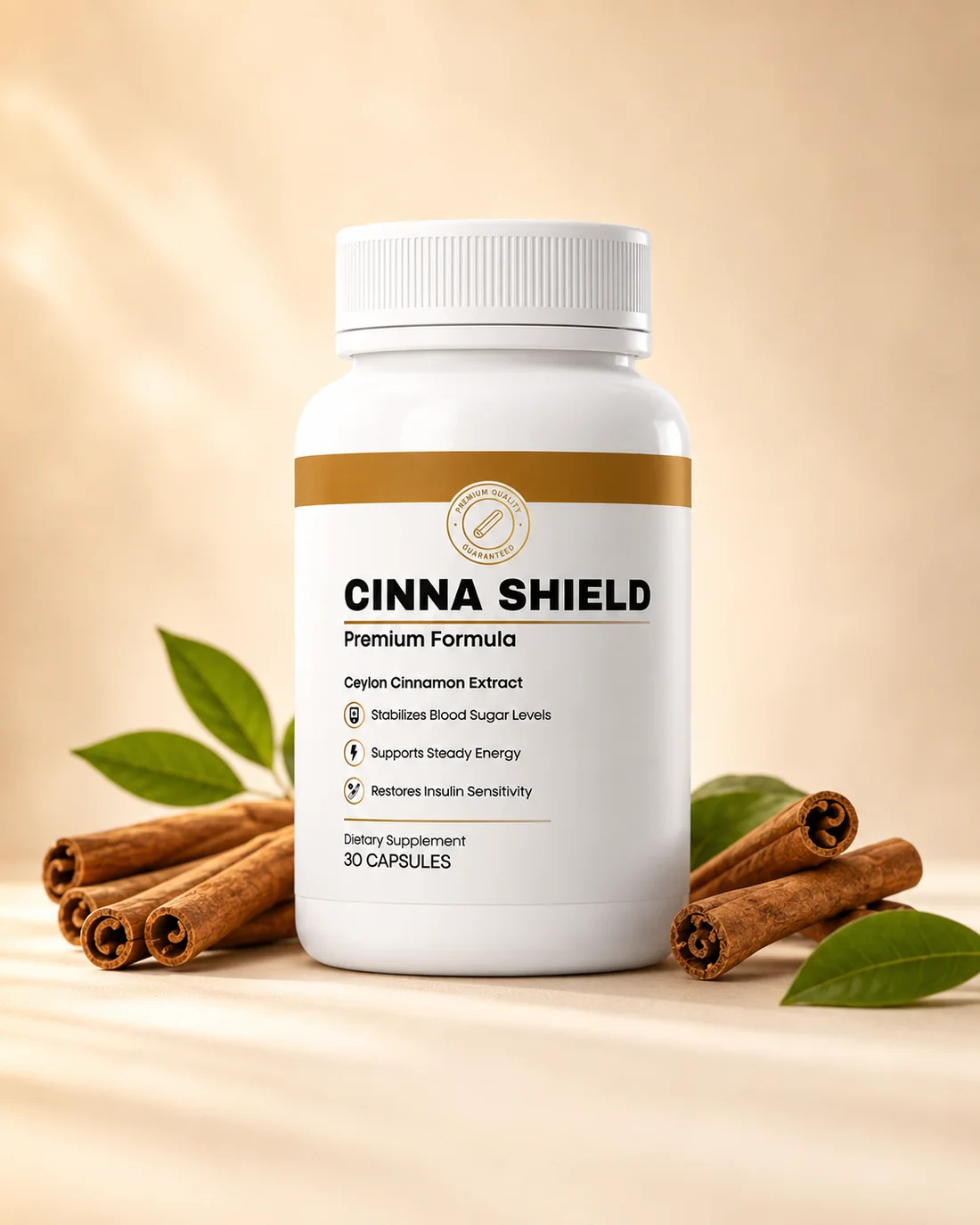
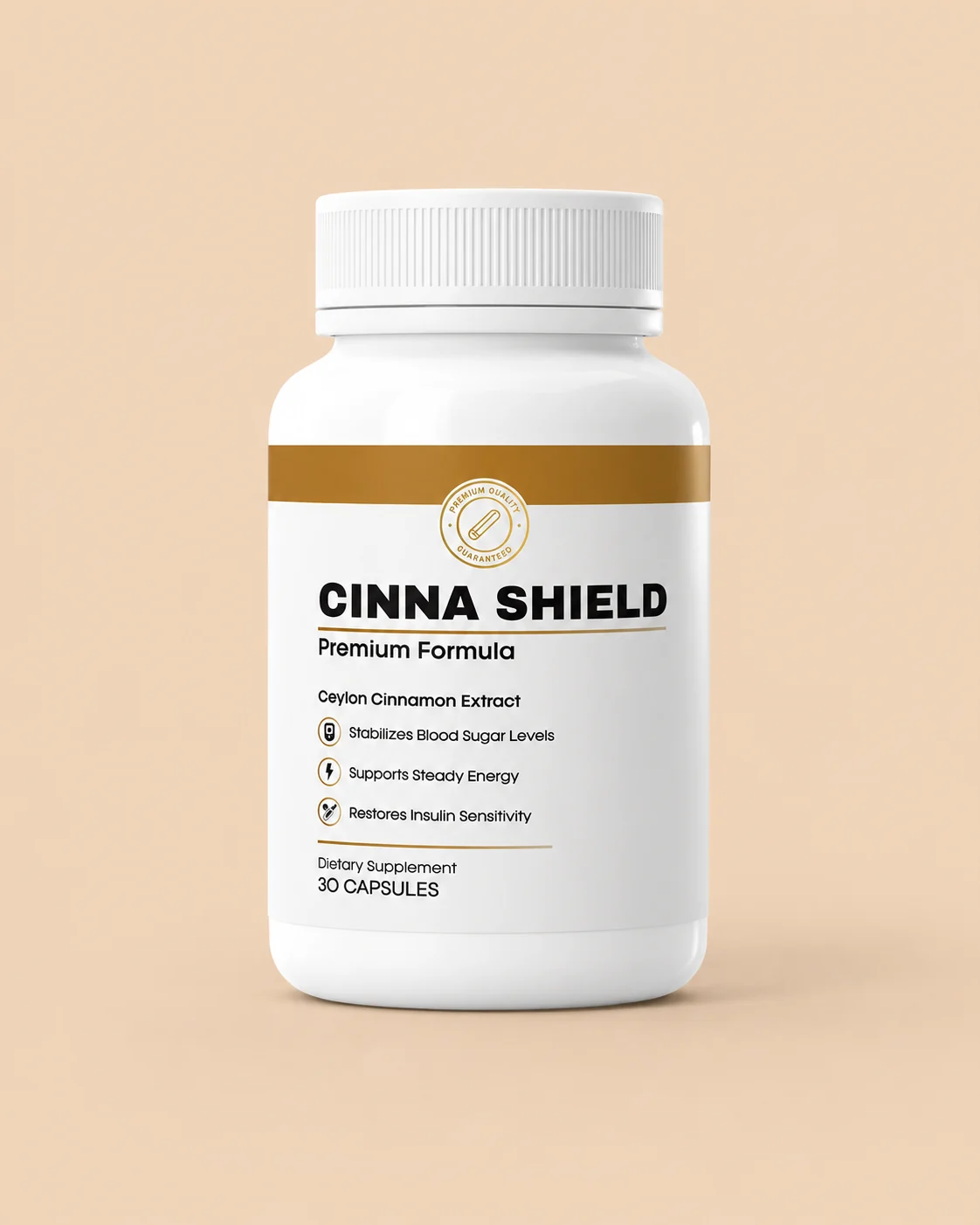
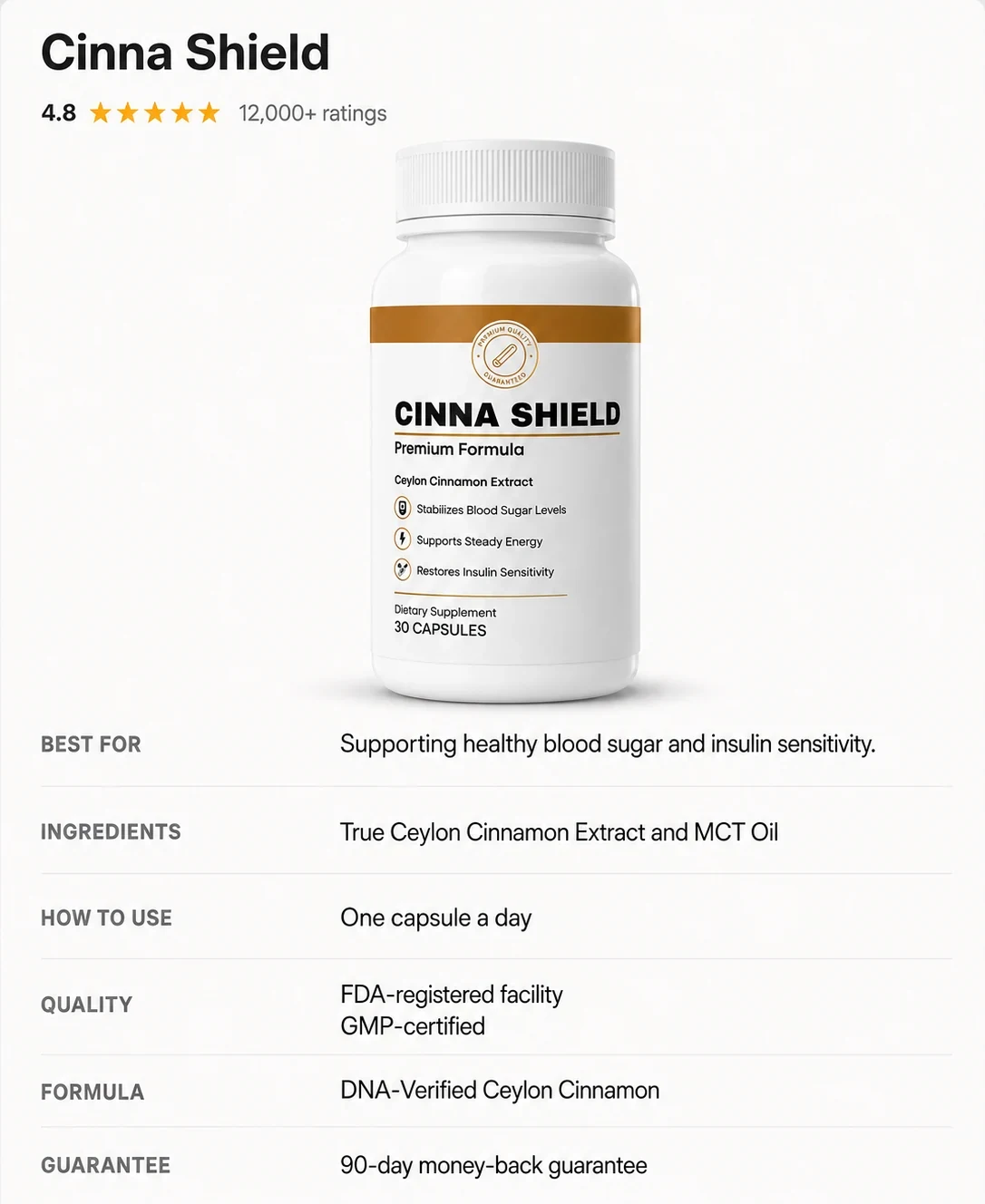
Introducing Cinna Shield®
After months of development with NLabs, a supplement laboratory here in the U.S.…
We created Cinna Shield®.
Real Ceylon that comes directly from the bark of trees in Sri Lanka.
A completely different species from Cassia.
Cinna Shield® uses DNA-verified Ceylon in a concentrated 12:1 extract.
A single capsule delivers the equivalent of 7,200 mg of raw bark.
Let me translate those two numbers for you, because they are the entire product.
“DNA-Verified” Means the Plant Was Tested, Not Just Purchased
DNA testing identifies the botanical species of the raw material.
Not the smell. Not the color.
The species.
It’s the only way to guarantee that what went into the capsule is Cinnamomum verum, and not the cheap Chinese bark the industry sells under the same name.
“12:1” Means 12 Kilograms of Bark Are Used to Make 1 Kilogram of Extract
That’s why one capsule delivers the equivalent of 7,200 mg of raw bark.
You couldn’t eat that.
Not as powder, not in coffee, not sprinkled over fruit.
Not every day.
And that’s the distance between “using cinnamon as a seasoning” and “using Ceylon as a daily habit to support healthy blood sugar.”
That’s the difference a real daily amount makes.
★★★★★
Real Stories, Real Results
Honest experiences with Cinna Shield® Ceylon Cinnamon
5.0★★★★★
Finally Back in Control!
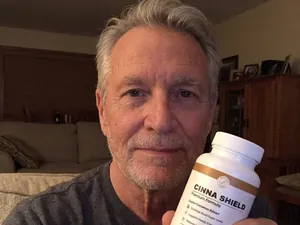
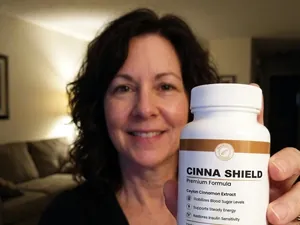
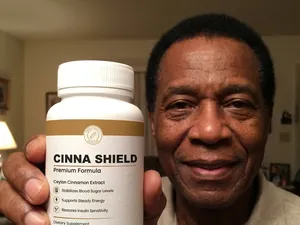
For years my energy was all over the place. I felt like no matter how clean I ate or how hard I tried, I’d crash every afternoon. Since starting Cinna Shield, everything feels steadier and those afternoon crashes don’t control me anymore. My energy lasts through the day and I’m not constantly reaching for caffeine or sugar. For the first time in a long time, I feel like I’m back in charge of my health.
Jacob M.✓ Verified Customer
Steady DaysSteady Energy
5.0★★★★★
Mornings Finally Feel Clear
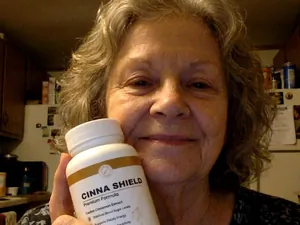
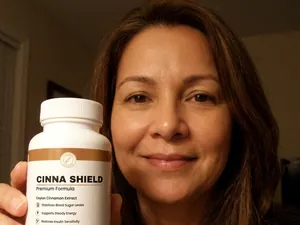
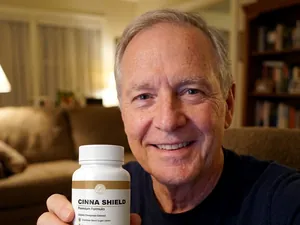
I used to start every morning tired, foggy, and already dreading the afternoon slump. I tried every so-called ‘healthy fix’ but nothing really moved the needle. With Cinna Shield, my mornings feel clear, my cravings are under control, and my energy is steady throughout the day. I’m not dealing with those late-night sugar crashes anymore and I finally feel balanced. It feels good knowing I’ve found something simple that actually works.
David L.✓ Verified Customer
Morning ClarityBalanced Cravings
5.0★★★★★
Finally a Cinnamon That Feels Different!
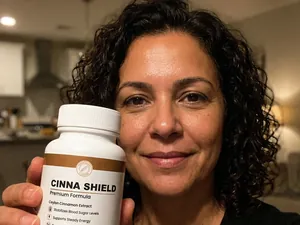
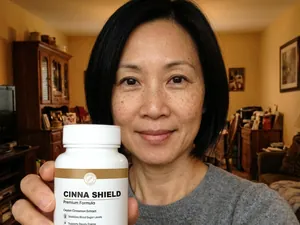
I was skeptical about another cinnamon supplement because I’d tried so many that did nothing. But my neighbor insisted this Ceylon one was different because it’s concentrated instead of powder. After 8 weeks I noticed I wasn’t reaching for sweets after dinner anymore, and my energy felt more even. I mentioned it at my checkup and my doctor said Ceylon was a much better pick than the drugstore kind. No stomach issues like the other brands gave me either.
Margaret R.✓ Verified Customer
Steady EveningsGentle Digestion
4.9★★★★★
Wish I’d Known About Ceylon vs Cassia Years Ago!
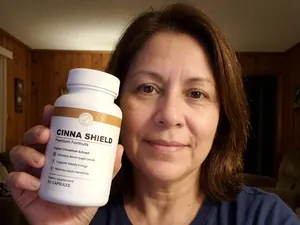
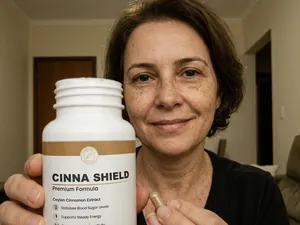
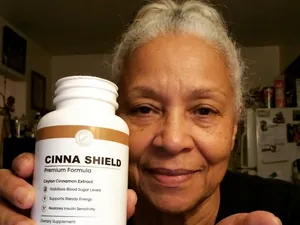
My husband had been taking cinnamon capsules from the drugstore for blood sugar support, but they weren’t doing much and sometimes caused heartburn. I researched and learned most store brands use Cassia cinnamon, which can stress your liver. Cinna Shield uses real Ceylon cinnamon. Within a month, his energy was steadier and he stopped asking for dessert every night. The capsules are much easier on his stomach too.
Patricia S.✓ Verified Customer
True CeylonStomach Friendly
5.0★★★★★
Quality You Can Actually Feel Working!
As a retired nurse, I’m very particular about supplements. Most are cheap fillers with barely any active ingredients. Cinna Shield Ceylon Cinnamon is clearly premium — you can tell by the 12-to-1 concentration from authentic Sri Lankan Ceylon bark. I’ve been taking it for 3 months and my energy levels are the most stable they’ve been in years. No more 2 PM sugar cravings, no digestive upset, and I feel more like myself. Worth every penny.
Joyce T.✓ Verified Customer
Premium QualityStable Energy
5.0★★★★★
The First Thing That Works
I’ve thrown away so much money on powders, gummies, and sugar support blends that made big promises but never delivered. Nothing ever stuck and I just kept feeling more frustrated. Cinna Shield was different from the start — one capsule a day actually gave me the steady energy I’d been missing for years. My focus is sharper, I don’t hit the wall in the afternoons, and I finally feel consistent. It’s the first product I can honestly say has changed my daily routine.
Michael T.✓ Verified Customer
Daily FocusLasting Energy
Individual results may vary*
What Happens When Cinna Shield® Enters Your Life...
DAYS 1–3
Mornings start to feel clearer.
Sugar cravings start to ease.
You reach for sweets a little less.
You feel that something has changed.
WEEK 1
Your energy feels more even through the day.
That afternoon slump feels lighter.
Your mood improves.
You start believing again.
WEEK 2
Meals stop leaving you sluggish.
That sleepiness after lunch? Less of it.
Your body gets daily support for healthy glucose metabolism.
The habit is set.
MONTH 1
You feel more like yourself again.
Your sleep is deeper.
You look forward to your mornings.
Friends notice you have more energy.
MONTH 2
Ceylon is part of your morning, like coffee.
You enjoy meals without the heavy feeling after.
Cravings don’t run your evenings anymore.
You feel in charge of your routine.
MONTH 6
Healthy habits feel easy, not forced.
You wake up with energy.
Eat without guilt.
Plan for the future feeling strong.
You’re living again.
Why Most People Fail (And How You Won’t)
Most people who start a new supplement quit in week 3.
Why?
Because they feel a difference early and think they’re done.
Or because the deeper result takes a little longer — and they think it’s not going to work.
Both are wrong.
The first signs come in the first few days.
But the real benefit comes from consistency: taking it every day, the way Sri Lankan families have for generations...
That takes months.
Not because the formula is slow.
Because habits work over months, not days. That’s how nutrition works.
And no product on the planet can change that.
Is Cinna Shield® Made for You?
So before you decide to try Cinna Shield®, you first need to know whether this is for you. I’d rather tell you the truth than sell you an illusion.
✓ 4 SIGNS IT WAS MADE FOR YOU
For those who already tried grocery-store cinnamon. Powders, cheap capsules, gummies. Nothing changed. That was most likely Cassia, not Ceylon.
For those who want to feel better day to day. More even energy, fewer cravings and a routine you can actually keep.
For those who want a natural daily habit. One capsule a day, alongside a balanced diet, regular movement and whatever your doctor already recommends.
For those who care what’s inside the bottle. DNA-verified species, 12:1 extract, made in a U.S. facility.
✕ WHO THIS IS NOT FOR
Not for people who want results in one week. This is a daily habit. If you won’t give it 8 to 16 weeks, don’t buy. You’ll quit before you feel the difference.
Not for anyone looking to replace their doctor. If you have a medical condition or take medication, talk to your doctor before starting any supplement, and never stop a prescription on your own.
Not for people looking for the cheapest option. Real Ceylon costs more than Cassia. If price is the only factor, this isn’t for you.
One Capsule. A Daily Habit.
Cinna Shield® is not a medicine, and it doesn’t replace one.
It’s a simple way to get real, DNA-verified Ceylon cinnamon in a meaningful daily amount, the way Sri Lankan families have enjoyed it for generations.
Together with a balanced diet and regular movement, it’s made to support healthy blood sugar levels already within the normal range, steadier energy and fewer cravings.
If you take medication or have a health condition, show the label to your doctor first. Most will be glad you picked Ceylon over Cassia.
The Decision My Team Hated…
So I know you’ve already spent a lot of money.
Powders, capsules, gummies, diets, apps...
It adds up.
And you’re still here. Reading. Looking for a real solution.
That’s why I did something my team hated.
I could charge a lot per bottle.
Many people would pay.
But I don’t want to create another barrier for people who have already lost too much time and money.
That’s why today you can get access to Cinna Shield® with 70% off the complete 6-month package.
How It Works…
First, you answer 6 quick questions about your routine.
Your age, your goal, how your energy feels during the day and what you’ve already tried.
At the end, you’ll see whether Cinna Shield® fits your routine. If it does, your price and complete package appear right there.
Don’t wait. Click the button and take the quiz before this batch sells out.
Take the 1-Minute Quiz →





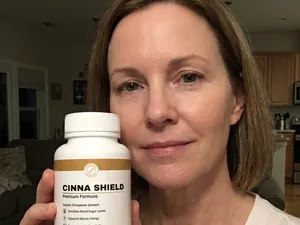
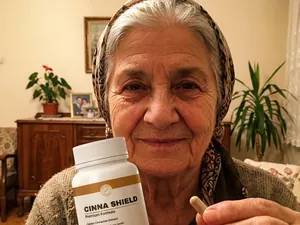
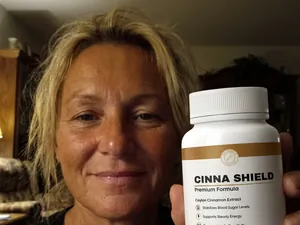
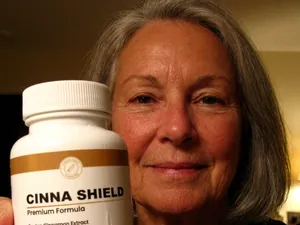
 Jacob M.
✓ Verified Customer
 David L.
✓ Verified Customer
 Margaret R.
✓ Verified Customer
 Patricia S.
✓ Verified Customer
 Joyce T.
✓ Verified Customer
 Michael T.
✓ Verified Customer